Table of Contents (13 sections)
Whether you're an aspiring photographer or just looking to improve your skills, building photography skills is an art that requires practice, patience, and the right techniques. This guide will detail the key steps to enhance your photography journey effectively.
1. Understanding Photography Basics
Before diving into advanced techniques, it’s essential to grasp the basics of photography. Photography is essentially about capturing light. Familiarize yourself with the fundamental concepts such as aperture, shutter speed, and ISO – collectively known as the exposure triangle. Aperture affects how much light enters through the lens, influencing depth of field; shutter speed controls the duration of light exposure, significantly affecting motion capture; and ISO determines the sensor's sensitivity to light.
Key Takeaways:
- Aperture: Affects background blur and light.
- Shutter Speed: Captures motion and light exposure time.
- ISO: Impacts image noise and sensitivity.
Common errors include neglecting to experiment with these settings. Many beginners rely on automatic modes, which can hinder learning. Instead, set your camera to manual mode and practice adjusting these settings to see how they affect your images.
2. Mastering Composition Techniques
Composition is vital in photography. Understanding how to structure an image can take your pictures from ordinary to extraordinary. Techniques such as the Rule of Thirds, leading lines, and framing can enhance your composition skills. The Rule of Thirds suggests dividing your frame into nine equal parts, placing important elements along these lines or their intersections. This creates a balance in your images that captivates the viewer's eye.
Using leading lines, whether natural (like paths or rivers) or man-made (like roads or fences), draws the viewer’s attention towards the focal point of your photo. Framing, where you use elements in your scene to create a 'frame' around your subject, adds depth and context to your images.
Practical Tip:
Carry a small notebook to jot down composition ideas while exploring. Practice these techniques regularly to develop an instinct for good composition.
3. Practicing Regularly and Analyzing Work
Practice is the backbone of developing any skill, especially photography. Aim to shoot daily, even if just for 10-15 minutes. Try different subjects, lighting conditions, and settings. As you practice, make sure to review your work critically. Look for patterns in what works versus what doesn’t.
Consider joining photography groups or online forums where you can share your photos for constructive feedback. Analyzing your work alongside others can provide insights that you may not see yourself. The 80/20 rule suggests that 80% of your results come from 20% of your effort. Finding that 20% in your photography can drastically enhance your skills.
Recommended Tool:
Using editing software can help you understand how adjustments affect your final image, providing valuable learning experiences.
4. Exploring Different Genres
Once you're comfortable with the basics, try experimenting with various photography styles. Portrait, landscape, wildlife, and street photography each offer unique challenges and perspectives. Specializing in a genre allows you to refine specific skills while offering diverse experiences. For instance, portrait photography teaches you about lighting and human expression, while landscape photography enhances your understanding of natural light and composition in expansive contexts.
Suggested Genres:
- Portrait Photography: Focus on capturing people; learn about lighting and expressions.
- Landscape Photography: Explore nature; requires understanding light conditions and composition in vast scenes.
- Street Photography: Candid moments in urban environments; involves anticipation and quick decision-making.
5. Learning Editing Skills
Editing is often just as crucial as capturing the image. Familiarize yourself with software such as Adobe Lightroom or Photoshop. Understanding post-processing can help you enhance your photos further, correcting exposure, color balance, and sharpness. Edits can range from subtle tweaks to significant alterations, and each level of editing offers a chance to experiment and develop a personal style.
Editing Tips:
- Start with presets and gradually move to custom edits.
- Pay attention to color theory to understand how adjustments affect mood and feel.
- Remember to keep a copy of the original, so you can always revert back if needed.
6. Investing in the Right Gear
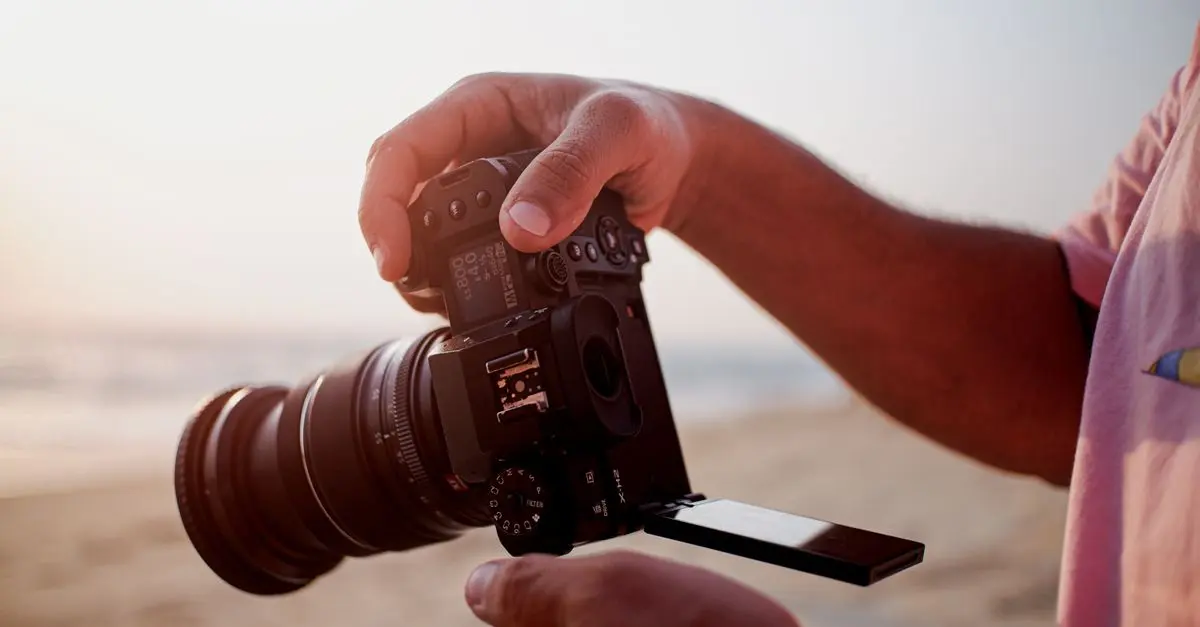
While skill is vital, appropriate gear can supplement your growth. As you progress, consider investing in a good camera and lenses that suit your needs. While top-notch equipment can be expensive, many entry-level DSLRs and mirrorless cameras deliver excellent image quality. Additionally, good lenses can drastically change the quality of your work. Explore reviews and try out equipment to see what feels right for you.
Checklist Before Buying Gear:
- Determine what type of photography interests you most.
- Consider the lens types suitable for your chosen genres.
- Always check for user reviews and sample images from the gear you're considering.
7. Staying Inspired and Continuous Learning
Photography is an ever-evolving art. Stay inspired by following other artists, attending workshops, or subscribing to photography blogs and YouTube channels. Continuous learning through online courses or tutorials can help you discover new techniques and trends, maintaining your enthusiasm for the craft.
Final Checklist for Developing Your Photography Skills:
- [ ] Understand the exposure triangle and practice.
- [ ] Experiment with composition techniques.
- [ ] Shoot regularly and analyze your work.
- [ ] Explore different photography genres.
- [ ] Learn editing techniques and software.
- [ ] Invest in quality gear suitable for your needs.
- [ ] Stay inspired and keep learning.
Glossary
| Term | Definition |
|---|---|
| Aperture | The opening in a lens that controls how much light enters. |
| Shutter Speed | The amount of time the sensor is exposed to light. |
| ISO | The sensitivity of the camera's sensor to light. |
> 🧠 Quick Quiz: What's the primary function of aperture in photography?
> - A) Determines exposure time
> - B) Controls light entering the camera
> - C) Adjusts sensor sensitivity
> Answer: B — Aperture controls the amount of light entering the camera, affecting exposure and depth of field.
> 📺 For further insight: [Master Photography Basics and Composition Techniques], a detailed exploration of fundamental skills. Search on YouTube: "how to build photography skills for beginners 2026".
📺 Pour aller plus loin : how to build photography skills for beginners 2026 sur YouTube
À lire aussi
Recommended products
Selected by our experts