Table of Contents (9 sections)
Photography is an art form that requires not just talent but also a significant amount of practice and knowledge. Whether you are just starting or looking to enhance your existing skills, building photography skills effectively is crucial in transforming your passion into a rewarding endeavor. Here’s a comprehensive step-by-step guide designed to help aspiring photographers enhance their skills and create stunning visuals.
1. Understand the Basics of Photography
Before diving into practice, it's important to familiarize yourself with the fundamental concepts of photography. This includes understanding key terms such as aperture, shutter speed, ISO, and composition.
Aperture affects the depth of field; a lower f-stop (e.g., f/2.8) creates a shallow depth of field, while a higher f-stop (e.g., f/16) increases it. Shutter speed determines how motion appears in images—fast shutter speeds (e.g., 1/1000 sec) freeze action, while slower speeds (e.g., 1/4 sec) can create motion blur. ISO denotes the sensor's sensitivity to light; higher ISO values allow you to shoot in darker settings but may introduce noise.
Composition, on the other hand, involves framing and the arrangement of elements within the photo. The Rule of Thirds, for instance, recommends dividing your frame into thirds both horizontally and vertically to position your subject effectively.
Diving into resources like books, online courses, and tutorials will help you solidify these foundational concepts. Books by authors like John Hedgecoe and Scott Kelby are highly recommended for beginners. By understanding these basic elements, you will lay a solid groundwork for your future photography endeavors.
2. Invest in the Right Equipment
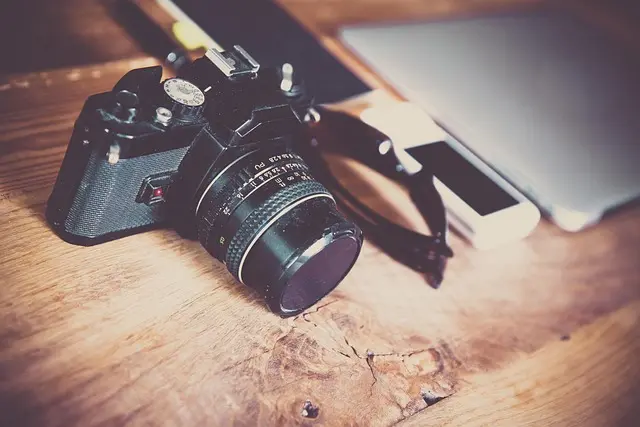
Selecting the right equipment is equally essential as understanding the basics of photography. While it's possible to start with a smartphone, investing in a dedicated camera can significantly impact your learning and outcomes.
Start with an entry-level DSLR or a mirrorless camera. Brands like Canon, Nikon, and Sony offer excellent cameras for beginners. Pay attention to lens choices as well, since they play a crucial role in your photography. A versatile zoom lens (e.g., 18-55mm) can be ideal for various situations, while a prime lens (e.g., 50mm f/1.8) offers beautiful bokeh for portraits.
Seek equipment within your budget, but aim for quality that will last as you advance. Consider buying second-hand gear if new items are out of your price range. Read reviews on dedicated photography sites and check user feedback; amateurs often share useful insights on how specific models performed. Finally, don't forget to invest in memory cards and a sturdy tripod to enhance your fieldwork.
3. Practice Regularly and Experiment
The most significant part of honing your photography skills is practice. Allocate time every week to take photos and don’t shy away from experimenting with different settings and compositions. The more you photograph, the more comfortable you will become with your camera’s settings and controls.
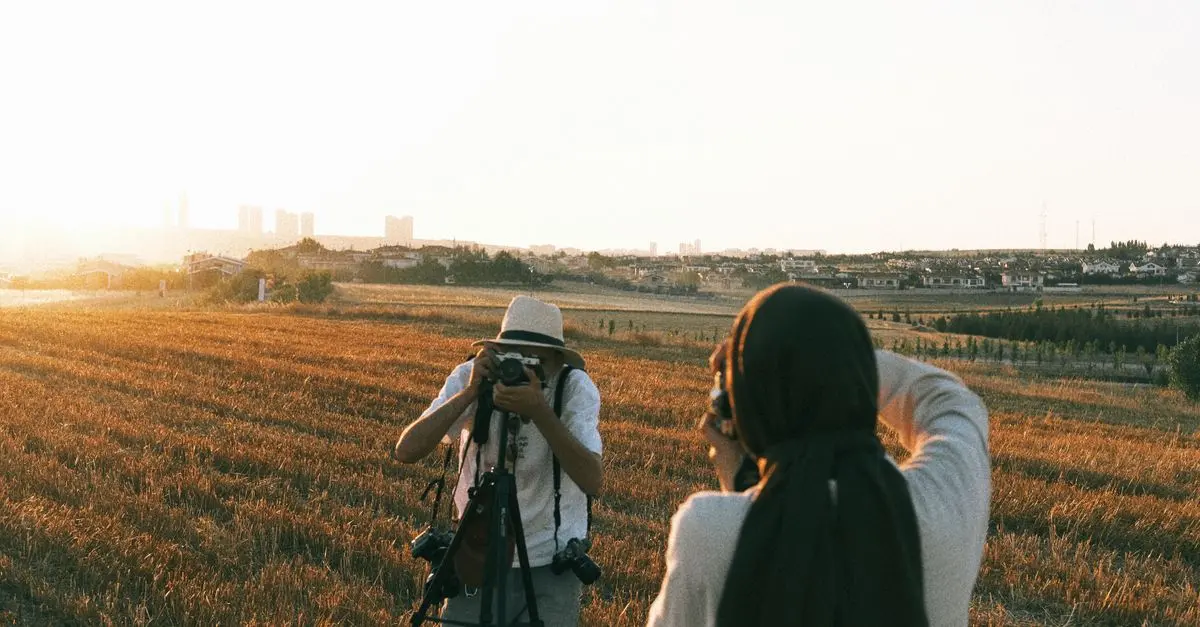
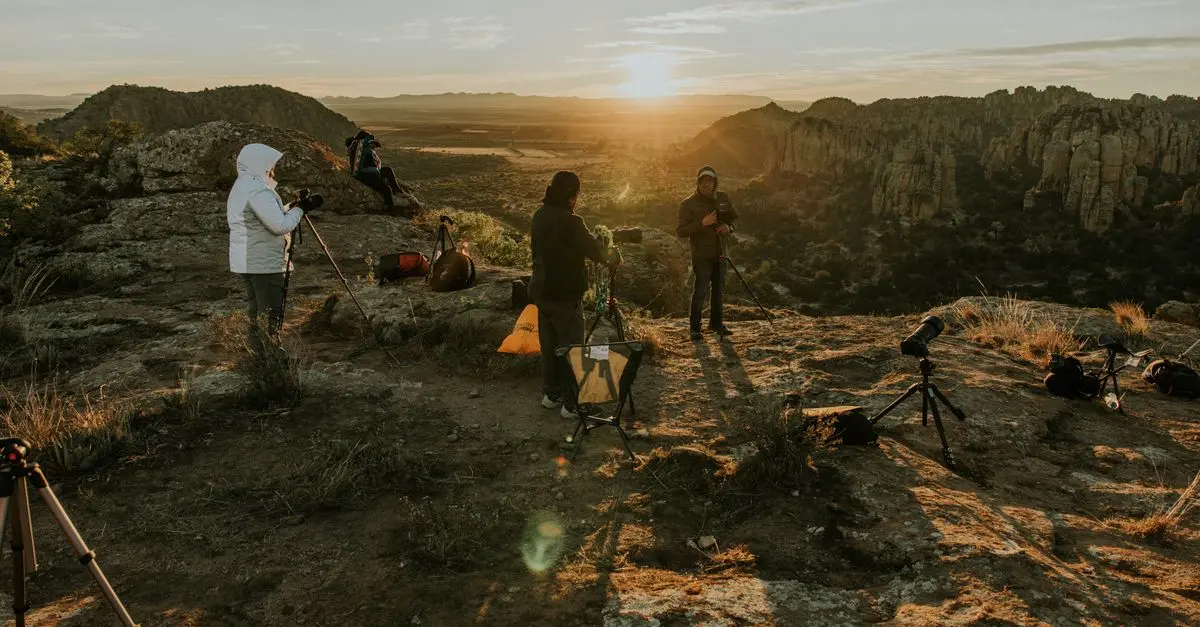
Experiment with different subjects—landscapes, portraits, wildlife, or street photography. This allows you to explore various styles and genres. Join local photography clubs or attend workshops to meet other photography enthusiasts. These communities offer valuable feedback and often organize photo walks that inspire creativity.
Moreover, challenges like the 30-day photo challenge can be motivational. Each day, you’ll tackle a new theme or style, pushing you to think outside the box and refine your skills in narrowed scopes. Regular practice helps in not only mastering the technical aspects but also encourages you to develop a unique style.
4. Learn Post-Processing Techniques
In today's digital age, photography doesn’t end in-camera. Learning post-processing with software such as Adobe Lightroom or Photoshop is vital. Post-processing can elevate your images, creating professional results from good photos.
Start with basic adjustments like exposure, contrast, and saturation. Both Lightroom and Photoshop have extensive tutorials available online. Gradually, as you become more comfortable, explore topics like retouching, removing objects, and blending images.
Be careful not to over-edit, as you aim to maintain the photo's integrity. Regularly comparing your edits against the original can help you maintain perspective on your workflow. Understanding post-processing can make the difference between a nice photo and a truly striking one.
5. Seek Feedback and Keep Learning
It’s important to seek feedback on your work from both peers and professionals. Platforms like 500px, Flickr, and Instagram allow you to share your work and receive constructive criticism. Consider participating in online forums and local photography meetups, where you can interact with others and share insights.
Additionally, regularly following online tutorials on websites such as YouTube, and Skillshare, or learning from experienced photographers through paid courses can be highly beneficial. Engaging with other perspectives will help refine your vision and technique, and you may find inspiration in how others perceive and capture the world.
Ultimately, the journey to become a proficient photographer is a blend of education, practice, and engagement with the photography community. Keep pushing your limits and remain open to new possibilities.
📺 For Further Learning:
Discover more by searching for “advanced photography techniques” on YouTube.
Checklist for Building Photography Skills
- [ ] Understand the basics of photography (aperture, ISO, shutter speed).
- [ ] Invest in decent equipment suitable for beginners.
- [ ] Practice regularly; experiment with different subjects and styles.
- [ ] Learn post-processing techniques with software like Lightroom or Photoshop.
- [ ] Seek and apply feedback from peers and professionals.
Glossary
| Term | Definition |
|---|---|
| Aperture | The opening in a camera lens that controls light entering the camera. |
| ISO | Sensor's sensitivity to light; higher values allow for shooting in darker conditions but introduce noise. |
| Shutter Speed | The duration for which the camera shutter is open to expose light onto the camera sensor. |
> 🧠 Quick Quiz: What is the rule of thirds?
> - A) A method of editing photos for better lighting
> - B) A way to compose an image for balanced visuals
> - C) A technique for capturing motion in photos
> Answer: B — The rule of thirds involves dividing the frame into thirds to place subjects effectively.
📺 Pour aller plus loin : advanced photography techniques sur YouTube