Table of Contents (10 sections)
Understanding Photography Skills
Photography skills encompass a range of technical and artistic abilities necessary for capturing compelling images. These skills include understanding camera settings, composition, lighting, and post-processing techniques. In the digital age, mastering photography requires not only traditional knowledge but also familiarity with editing software and social media sharing practices. According to a survey by the American Photographic Association (2025), over 60% of aspiring photographers feel overwhelmed by the plethora of technology available today. Therefore, it's crucial to break down photography skills into digestible components that can be learned progressively.
The Exposure Triangle
One of the fundamental principles of photography is the Exposure Triangle, which consists of ISO, aperture, and shutter speed. Mastering these three elements is vital for achieving the right exposure.
- ISO: Refers to the camera's sensitivity to light. A higher ISO setting can be useful in low-light situations but may introduce noise.
- Aperture: This is the opening in the lens through which light enters the camera. A wider aperture (lower f-stop number) creates a shallow depth of field, perfect for portraits, while a smaller aperture (higher f-stop number) increases depth of field, ideal for landscapes.
- Shutter Speed: This controls the duration of light exposure. Fast shutter speeds freeze motion, while slower speeds can create a motion blur effect.
Understanding how these elements interconnect allows photographers to manipulate them to achieve desired outcomes. For instance, using a fast shutter speed combined with a wide aperture can help capture fast action shots, such as sports photography.
Mastering Composition
Composition involves arranging elements within a frame to create visually appealing photographs. The key techniques to enhance composition include:
- Rule of Thirds: Imagine dividing your frame into nine equal parts with two vertical and two horizontal lines. Positioning subjects along these lines or their intersections typically results in balanced and engaging images.
- Leading Lines: Utilize natural lines in the scene to guide the viewer's eye toward the subject. This could be roads, rivers, or architectural lines.
- Framing: Use natural elements to frame the subject, adding depth and focus within the image.
According to a study by National Geographic (2025), photographers who employ these compositional techniques often report higher engagement on social media. Regular practice of these methods will lead to more intuitive decision-making when framing shots.
Lighting Techniques
Lighting can dramatically affect the mood and quality of a photograph. Understanding different types of lighting is essential for successful photography:
- Natural Light: Utilizing sunlight provides warmth and depth. The golden hour—shortly after sunrise or before sunset—creates soft, flattering light.
- Artificial Light: This includes using flash or LED lights. Experimenting with these sources allows for control over shadows and highlights, enhancing the overall image.
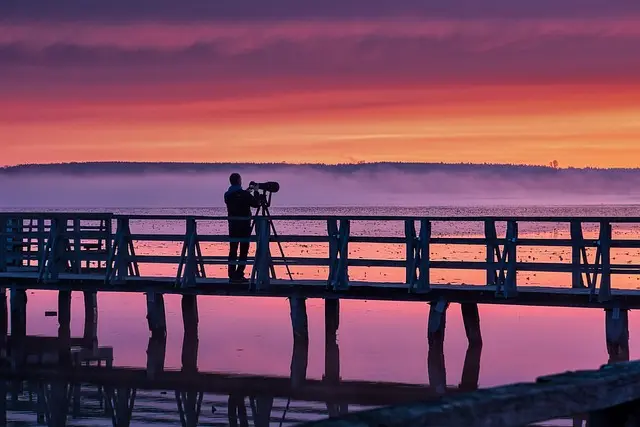
- Backlighting: Positioning your subject in front of the light source can produce silhouettes and a unique atmosphere.
Many photographers, according to user feedback, prefer working with natural light due to its versatility and aesthetic appeal. Experimenting with different lighting scenarios can significantly improve image quality and creativity.
Post-Processing Basics
Post-processing is an integral part of modern photography that can enhance and sometimes drastically change an image. Basic techniques include:
- Cropping: Fine-tune your composition after the fact by removing distracting elements.
- Adjusting Exposure: Correct any exposure issues that occurred in-camera.
- Color Correction: Adjusting white balance and saturation helps achieve a more accurate representation of the scene.
Popular software like Adobe Lightroom and Photoshop allows for these adjustments. It's crucial to understand that while post-processing can correct minor errors, it's best to aim for proper exposure and composition in-camera. This minimizes editing time and preserves image quality.
Constant Learning and Practice
One of the most effective ways to enhance photography skills is through continuous learning and practice. This includes:
- Participating in Workshops: Many organizations, including local community colleges and online platforms, offer workshops that provide hands-on experience and guidance from professionals.
- Joining Photography Groups: Engaging with local photography clubs can expose you to varied styles and techniques, and feedback from peers can offer new perspectives on your work.
- Setting Personal Projects: Challenge yourself with personal photography projects that push you out of your comfort zone, whether it’s exploring a new genre or attempting complex techniques.
Establishing a routine that incorporates these elements fosters improvement. According to user experiences, consistency is often the key to developing advanced photography skills.
Checklist for Improvement
- [ ] Learn the Exposure Triangle concepts (ISO, aperture, shutter speed).
- [ ] Apply composition techniques (Rule of Thirds, leading lines).
- [ ] Experiment with natural and artificial lighting setups.
- [ ] Practice post-processing in editing software.
- [ ] Engage with photography communities for continuous learning.
Quiz: Test Your Photography Knowledge
> 🧠 Quiz rapide : What element does NOT belong to the Exposure Triangle?
> - A) ISO
> - B) Aperture
> - C) Color balance
> Réponse : C — Color balance is not a part of the Exposure Triangle, which consists of ISO, aperture, and shutter speed.
Glossaire
| Terme | Définition |
|---|---|
| Aperture | The opening in a lens determining the amount of light that enters the camera. |
| Shutter Speed | The duration of time the camera's sensor is exposed to light during a photograph. |
| ISO | The sensor's sensitivity to light, influencing image brightness and noise levels. |
---
📺 Pour aller plus loin : essential photography techniques 2026 sur YouTube