Table of Contents (10 sections)
1. Understand the Basics of Photography
Before diving deeply into the world of photography, it’s crucial to grasp its fundamental concepts. Photography involves capturing light on a photosensitive surface, whether digital or film. Understanding terms such as aperture, shutter speed, and ISO is essential. For instance, aperture controls the depth of field and can dramatically affect how your subject appears against the background. A higher aperture (e.g., f/1.8) gives a blurred effect, while a lower one (e.g., f/16) brings everything into focus. This fundamental knowledge lays a solid foundation for your photography journey. Consider enrolling in an introductory online course or reading beginner-friendly books, which can significantly enhance your understanding.
2. Get the Right Gear
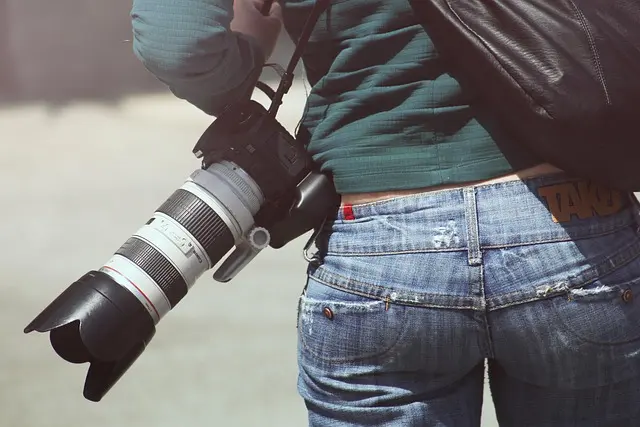
Having the right equipment is vital but remember that you don't need the most expensive camera to kickstart your photography journey. Start with a decent entry-level DSLR or a mirrorless camera. Brands like Canon and Nikon offer great starter kits that include a camera body and lens. Moreover, consider investing in a sturdy tripod and a quality lens. For landscapes, a wide-angle lens works wonders, while for portraits, a 50mm lens is often recommended. Ultimately, while gear matters, the most crucial aspect remains your creativity and perspective. Focus on what captures your interest and invest in gear that complements your style.
3. Master Composition Techniques
Composition is one of the most critical aspects of photography that can enhance your images significantly. Learning the Rule of Thirds is a great starting point. Imagine breaking an image down into thirds vertically and horizontally, placing points of interest at the intersections. This creates a more balanced, engaging photo. Additionally, explore techniques such as leading lines and framing. For example, using natural lines in your environment can guide the viewer’s eye towards your subject. Knowing how to compose your shots will elevate your work and help convey your artistic vision effectively.
4. Experiment with Lighting
Lighting can make or break a photograph. Natural light, especially during the golden hour—shortly after sunrise or before sunset—can add a warm glow to your images. However, don't hesitate to explore artificial lighting like flashes or continuous light sources. Experiment with different settings to see how the type of light influences your subject. For instance, backlighting can create dramatic silhouettes, while side lighting can emphasize textures. Understanding how to manipulate light to your advantage allows for varied and dynamic photographs that stand out.
📺 For more insights: How to Utilize Natural Light in Photography, a comprehensive guide available on YouTube.
5. Practice and Get Feedback
One of the best ways to improve your photography skills is through consistent practice. Start a project that encourages you to shoot regularly. This could involve capturing one photo a day, joining a local photography group, or participating in online challenges. Additionally, seek feedback from fellow photographers or online forums. Platforms such as Flickr and Instagram have vibrant communities willing to share their insights and suggestions. Constructive criticism can open your eyes to areas where you can improve, helping to accelerate your growth as a photographer. Remember, every expert was once a beginner, and practice is the bridge between the two!
Checklist before Starting Your Photography Journey
- [ ] Learn the basics of photography terminology
- [ ] Invest in a good entry-level camera
- [ ] Master the Rule of Thirds and other composition techniques
- [ ] Experiment with different lighting conditions
- [ ] Practice consistently and seek constructive feedback
Glossary
| Term | Definition |
|---|
| Aperture | The opening in a lens through which light passes. It controls depth of field and sharpness.
| ISO | The measure of a camera sensor's sensitivity to light. A higher ISO allows for low-light shooting but can introduce noise.
| Shutter Speed | The amount of time the camera shutter is open, affecting motion blur and exposure.
🧠 Quick Quiz: What's the Rule of Thirds?
- A) A way to adjust ISO settings
- B) A principle of composition
- C) A camera maintenance schedule
Answer: B — The Rule of Thirds is a composition guideline that suggests dividing the frame into three equal parts.
💡 Expert Opinion: Practicing photography isn't just about capturing moments—it's about developing a unique vision. With time and effort, anyone can learn to see the world differently through the lens of a camera.
Overall, embarking on this photography journey requires curiosity and a willingness to learn. As you navigate through these steps, don’t forget to enjoy the process and express your creative flair every chance you get!
📺 Pour aller plus loin : how to kickstart your photography journey 2026 sur YouTube