Table of Contents (16 sections)
Photography is more than just a hobby; it's a form of expression that captures moments in time. If you're eager to kickstart your photography journey, you're in the right place! In this article, we'll explore 10 essential tips that will set you on the path to becoming a confident photographer.
1. Understand the Basics of Photography
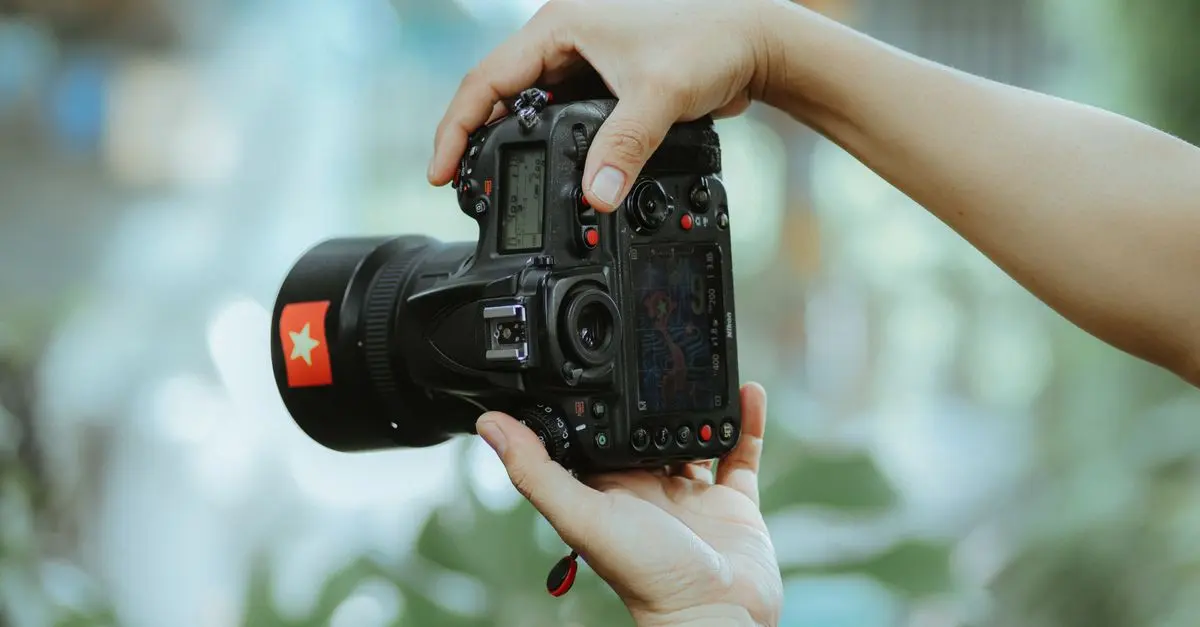
To truly kickstart your photography journey, it's vital to understand the fundamentals. These include concepts such as exposure, aperture, shutter speed, and ISO. Exposure determines how light or dark your image will be; aperture controls how much light enters the camera and affects the depth of field, while shutter speed influences how motion is captured. An excellent way to grasp these concepts is to practice using manual mode on your camera, allowing you to experiment with each setting and see its effects firsthand.
2. Invest in the Right Equipment
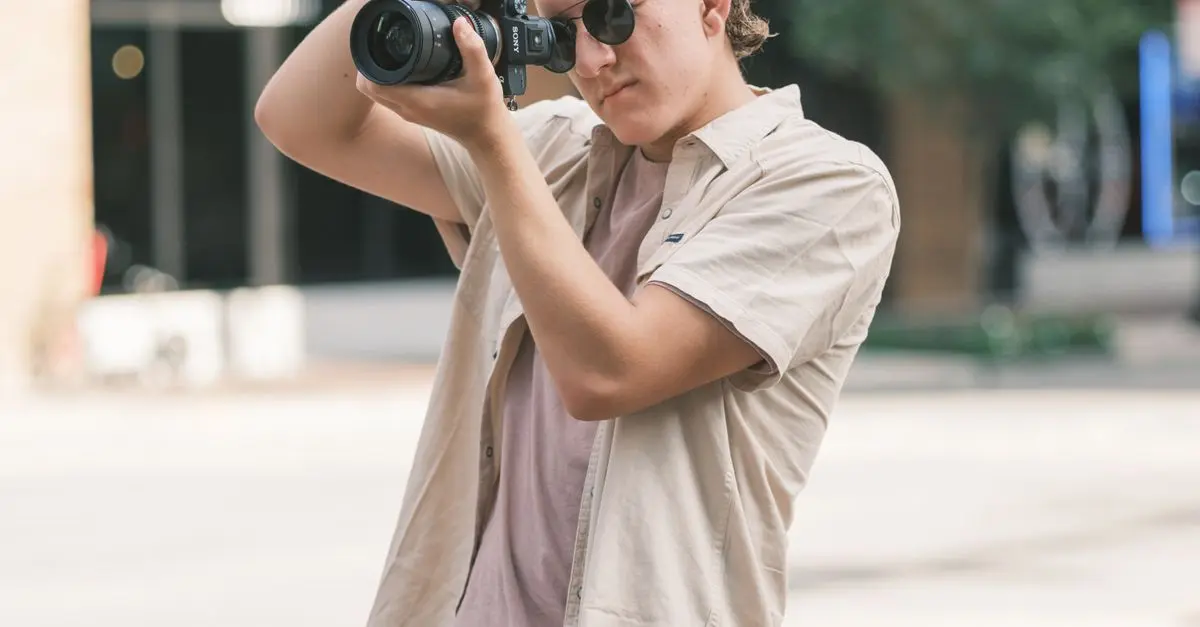
While you don't need the latest and most expensive gear to start, investing in good-quality equipment can significantly enhance your photography experience. A camera with manual settings, a sturdy tripod, and a decent lens are essential. Consider starting with a basic DSLR or mirrorless camera, which allows for interchangeable lenses and more control over your shots. Additionally, as Canon and Nikon offer a variety of entry-level models, you will find something that fits your needs.
3. Master Composition Techniques
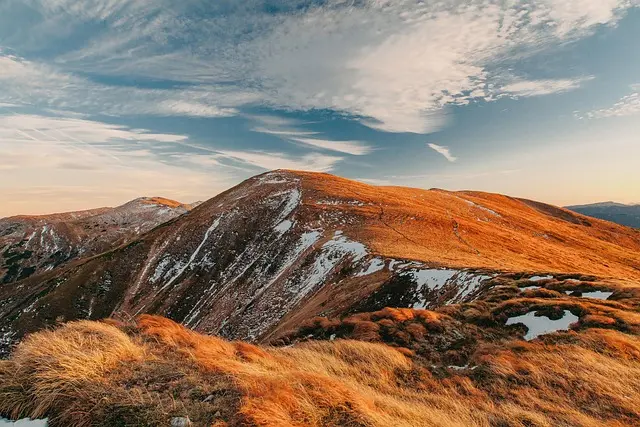
Composition is a crucial element in photography that can elevate your images from mundane to stunning. Learn about the rule of thirds, leading lines, framing, and symmetry. Experiment with placing points of interest along grid lines rather than centering everything. For example, if you photograph landscapes, composing your shot to include foreground elements can create a sense of depth. Remember, mastering composition takes practice, so don't hesitate to take numerous shots!
4. Explore Different Styles
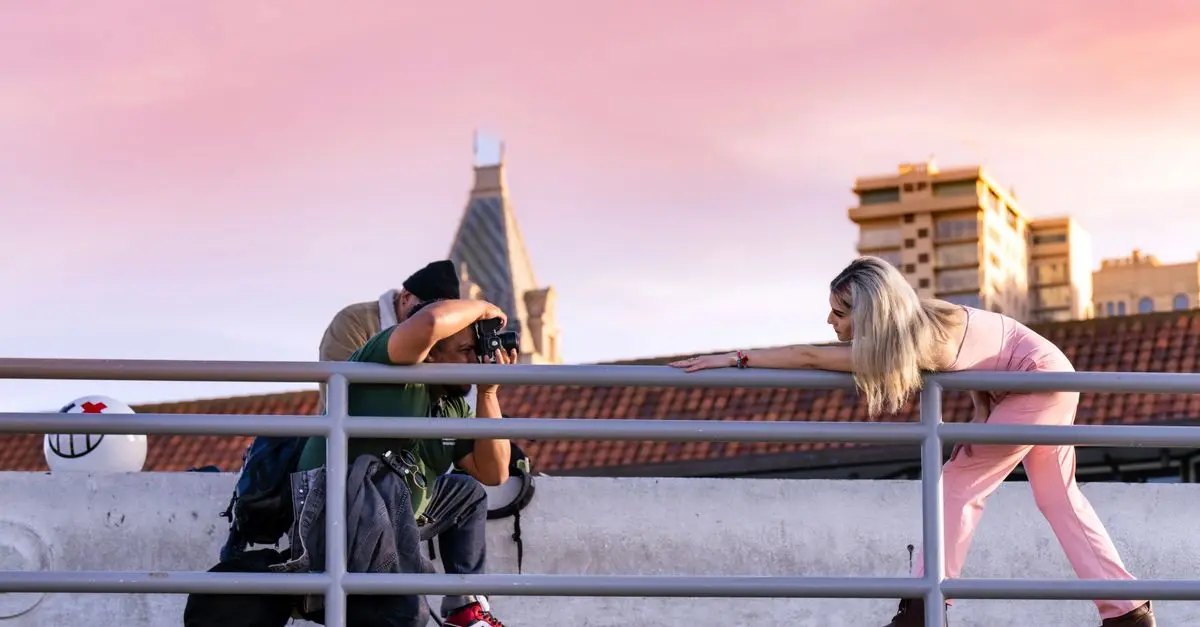
Photography encompasses a multitude of styles, from portrait and landscape photography to street and wildlife photography. As you begin your journey, it’s helpful to explore various styles to discover what resonates with you. Attend workshops, follow photographers on social media, or simply experiment in your surroundings. This exposure to diverse styles can spark inspiration and help you develop your unique voice within photography.
5. Post-Processing is Key
In today's digital era, post-processing is an integral part of photography. Tools like Adobe Lightroom and Photoshop allow you to edit and enhance your images, making them pop. Start with basic adjustments like cropping, exposure, and contrast before diving into more advanced techniques. Post-processing can elevate your images significantly and should be considered an essential step in your workflow.
6. Join a Photography Community
Being part of a photography community can provide valuable insights and inspiration. Websites like Flickr and communities on platforms such as Instagram are great places to share your work, receive feedback, and connect with fellow photographers. Additionally, local photography clubs often host events and can be an excellent resource for learning from others.
7. Practice, Practice, Practice
The best way to improve your skills is through practice. Set a goal to shoot daily or weekly, regardless of whether it’s just a few photographs. Challenge yourself by focusing on specific techniques or styles each time you shoot. The more you practice, the more comfortable you will become with your camera and developing your artistic eye.
8. Learn From Your Mistakes
As you embark on your photography journey, you will inevitably make mistakes. Instead of feeling discouraged, view these moments as learning opportunities. Analyze what went wrong and how you can improve. This mindset will help you grow and develop your skills quicker. Take the time to review your work critically and seek advice from experienced photographers.
9. Use Natural Light to Your Advantage
Natural light can be one of your best tools in photography. Experiment with shooting during different times of the day, particularly during the golden hour—shortly after sunrise or before sunset—when the light is softer and warmer. Understanding how to use natural light can dramatically change the look of your photos and make them more compelling.
10. Keep Learning
Photography is an ever-evolving field, and continuous learning is vital. Read books, watch online tutorials, attend workshops, and follow industry leaders to stay informed about the latest trends and techniques. Engaging with various resources can fill gaps in your knowledge and introduce you to new ideas and approaches.
📺 Resource Video
> 📺 For further insights: Explore comprehensive guides on photography fundamentals and techniques. Search on YouTube: photography basics tutorial 2026
Checklist before taking your first shots
- [ ] Understand exposure settings
- [ ] Choose the right camera and equipment
- [ ] Practice composition techniques
- [ ] Experiment with various photography styles
- [ ] Explore post-processing tools
- [ ] Join a photography community for insights
Frequently Asked Questions (FAQs)
- What is the best camera for beginners?
A beginner should consider starting with a DSLR or mirrorless camera that offers manual settings for better control.
- How important is post-processing in photography?
Post-processing is essential as it enhances your images, corrects mistakes, and allows for creative expression.
- What are the best times of day to take photos?
The best times are during golden hours—shortly after sunrise and before sunset—when lighting is optimal.
- Should I stick to one style of photography?
It's beneficial to explore multiple styles initially to discover your preferences before specializing.
Glossary
| Term | Definition |
|---|---|
| Aperture | The opening in a lens that controls how much light enters the camera. |
| Shutter Speed | The duration for which the camera's shutter is open to expose light to the sensor. |
| ISO | The sensitivity of the camera's sensor to light, affecting the brightness of images. |
---
📺 Pour aller plus loin : photography basics tutorial 2026 sur YouTube