Table of Contents (14 sections)
Starting a journey in photography can be both exciting and daunting. Whether you're an amateur looking to turn a hobby into a profession or simply someone passionate about capturing moments, having a solid foundation can make a significant difference. Here are ten essential tips to help you navigate your path as a photographer.
1. Understand the Basics of Photography
Before diving into the technicalities, it's important to grasp the fundamental principles of photography. Familiarize yourself with concepts like aperture, shutter speed, and ISO, as they form the cornerstone of composition. Aperture controls the amount of light entering the camera, affecting depth of field. Shutter speed influences motion capture, crucial for dynamic scenes. ISO refers to your camera's sensitivity to light, impacting image graininess. Start practicing these elements by experimenting with different settings in varied lighting conditions. You can find various online resources, books, and even local workshops that offer immersive learning experiences.
2. Invest in Quality Equipment
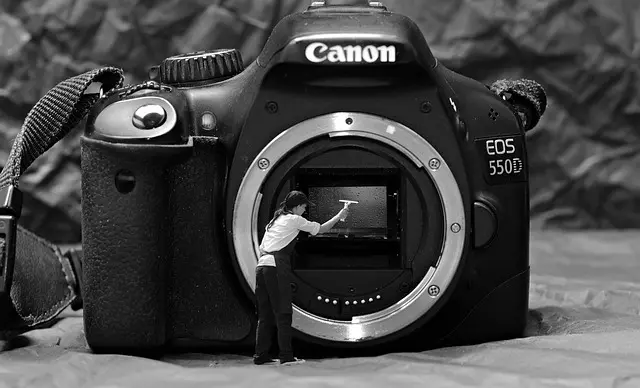
While many believe that great photography is solely about great gear, having the right equipment does matter. Investing in a good camera and lenses tailored to your specific needs can significantly enhance your work. Beginners may want to start with a mid-range camera with interchangeable lenses that allow for more flexibility as you grow. Additionally, don’t overlook essential accessories like tripods, filters, and lens cleaning kits. Quality equipment not only improves image quality but also inspires confidence and creativity. As you gain experience, consider upgrading to higher-end gear that complements your evolving style.
3. Master the Art of Composition
Composition is vital in photography, dictating how your image tells a story. Learn the rule of thirds, which encourages placing your subject off-center for a more balanced composition. Additionally, explore concepts like leading lines, framing, and symmetry to draw the viewer's eye. Analyze the work of renowned photographers for inspiration and study how they utilize composition to evoke emotions. Applying these techniques consistently can dramatically elevate your photographic storytelling.
4. Develop a Unique Style
Finding your distinct photographic style is crucial as it helps set you apart in the crowded field of photography. Experiment with different genres, themes, and editing styles until you discover what resonates with you. Whether it’s portrait, landscape, or street photography, understanding where your passions lie will help you craft a body of work that reflects your personality and vision. Your unique style will naturally resonate with a particular audience, making it easier to attract potential clients or followers who appreciate your creativity.
5. Build a Portfolio
A strong portfolio is essential for any photographer looking to establish credibility. It showcases your best work and demonstrates your skills and artistic vision. Start by curating a collection of your best images that highlight a range of techniques and styles. Use platforms like Adobe Portfolio or Behance to present your work professionally. If possible, create a personal website that features your portfolio, contact information, and links to your social media profiles. As your skills and projects evolve, regularly update your portfolio to reflect your growth and current style.
6. Network and Collaborate
Connecting with other photographers and creatives can open doors to new opportunities and insights. Attend local photography meetups, workshops, and exhibitions to meet like-minded individuals. Collaborate with other artists, models, or businesses for projects that inspire you. Such collaborations can enhance your portfolio and expand your audience base. Additionally, joining online communities can help you gain constructive feedback and support from peers, fostering personal growth and learning.
7. Learn Editing and Post-Processing Skills
Editing is an integral part of the photography process. Familiarize yourself with software such as Adobe Lightroom and Photoshop, which offer a comprehensive set of tools for enhancing images. Learning how to correct exposure, color balance, and composition during the editing phase can significantly impact your final work. Online resources, video tutorials, and courses can provide the necessary knowledge to master these skills. Efficient editing can help you convey the desired mood and narrative in your photographs.
8. Understand the Business Side of Photography
Your skills alone won't guarantee success in the photography industry; understanding the business side is essential. Learn about marketing, pricing your work, and managing finances. Create a solid business plan that outlines your goals, target audience, and marketing strategies. Explore social media marketing to promote your work and engage with potential clients. Additionally, consider investing in business courses focusing on entrepreneurship, as they can equip you with valuable tools to navigate the industry effectively.
9. Stay Inspired and Motivated
Creativity can sometimes dwindle, but staying inspired is key. Make it a habit to follow other photographers and artists whose work inspires you. Engage in creative challenges, like a 30-day photography prompt, to spark your creativity. Taking breaks and stepping away from your work can also provide fresh perspectives. Analyze your previous images to see what resonates with you and how you can evolve them further.
10. Keep Learning
The world of photography is constantly evolving, with new techniques, equipment, and trends emerging regularly. Make a commitment to lifelong learning by attending workshops, enrolling in online courses, or participating in photography groups. Reading photography books and industry blogs can also keep you updated on best practices and emerging styles. The more you learn and practice, the more confident and skilled you'll become in your craft.
📺 For further insights: Explore Photography Gear and Techniques, a comprehensive guide on essential equipment and creative methods. Search on YouTube: buying photography gear 2026.
Glossary
| Term | Definition |
|---|---|
| Aperture | The opening in a lens that controls the amount of light that reaches the sensor. |
| Shutter Speed | The length of time the camera shutter is open to expose light on the sensor. |
| ISO | The sensitivity of your camera sensor to light, impacting the grain of the photo. |

Checklist before starting your photography journey
- [ ] Understand the basics of photography.
- [ ] Invest in quality equipment suitable for your goals.
- [ ] Master composition techniques.
- [ ] Develop and refine your unique photographic style.
- [ ] Build a professional portfolio showcasing your best work.
- [ ] Network with fellow photographers and creatives.
- [ ] Learn essential editing and post-processing skills.
- [ ] Understand the business side of photography.
- [ ] Stay inspired by following other artists.
- [ ] Commit to lifelong learning and improvement.
Photography is not just about clicking pictures; it's a journey of exploration, creativity, and self-expression. Armed with these tips, you're well-prepared to kickstart your photographic career and make a lasting impact in the industry.
🧠 Quick Quiz: What is the effect of a wider aperture?
- A) More light enters, creating a shallow depth of field.
- B) Less light enters, increasing focus depth.
- C) No effect on light but affects image clarity.
Answer: A — A wider aperture allows more light to enter, producing a blurry background effect.
📺 Pour aller plus loin : buying photography gear 2026 sur YouTube
Recommended products
Selected by our experts
Pai Skincare All Becomes Clear
thedetoxmarket.com
This skincare serum is essential for photographers working long hours, as it keeps the skin clear and fresh under studio lights.