Table of Contents (14 sections)
Embarking on a journey to get started as a photographer can be exhilarating yet daunting. Photography is a blend of art and technical skills, and understanding the fundamentals is essential for anyone wanting to capture moments beautifully. In this guide, we’ll outline 10 essential tips that will set you on the right path, ensuring that you not only master the basics but also develop your unique style. Let’s dive in!
1. Understand Your Equipment
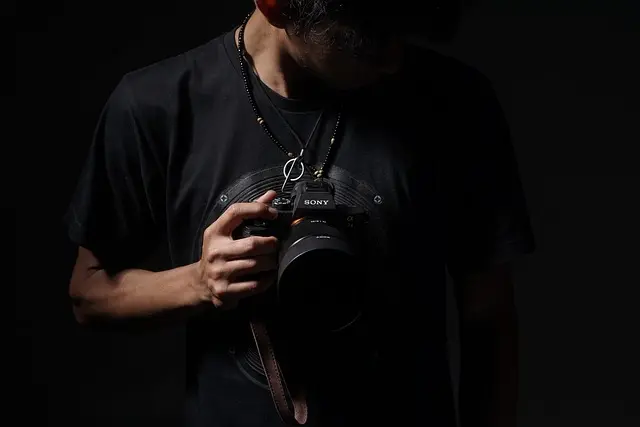
Before you start taking photographs, it's crucial to familiarize yourself with your camera and its settings. Whether you’re using a smartphone or a DSLR, spend time reading the manual and experimenting with different settings. Learn how to control aperture, shutter speed, and ISO. For instance, knowing that a wider aperture (lower f-number) allows more light can significantly affect your depth of field, creating that dreamy background blur many photographers aim for. Understanding your equipment enhances your ability to adapt to varying lighting conditions and capture the moment as you envision it.
2. Learn the Basics of Composition
Composition is the backbone of great photography. The rule of thirds is a fundamental guideline that divides your frame into nine equal parts. Placing subjects along these lines or their intersections often leads to a more balanced and engaging image. Additionally, consider elements such as leading lines, symmetry, and framing to draw attention to your subject. Practicing these techniques will help you create images that are not just visually appealing but also scientifically balanced.
3. Experiment with Different Styles
Don't be afraid to try various photography styles to discover where your passion lies. From landscapes to portraiture to street photography, each genre offers unique challenges and creative opportunities. For instance, landscape photography often requires you to consider lighting conditions and weather patterns, while portrait photography focuses on capturing emotions. As you explore different styles, you’ll not only build a diverse portfolio but also find your niche that resonates with your artistic vision.
4. Utilize Natural Light
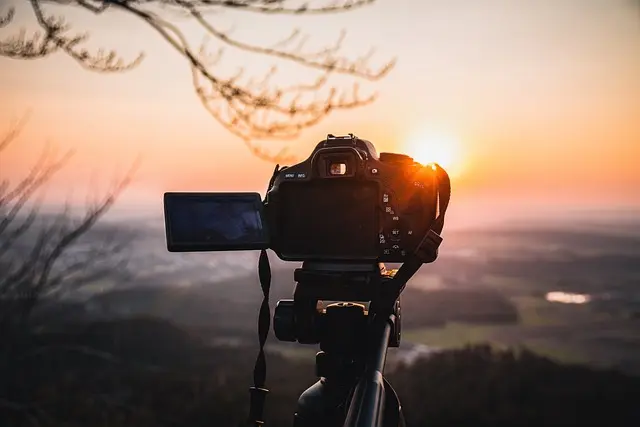
Lighting can make or break a photograph. Natural light, especially during the golden hour (the hour after sunrise and before sunset), casts a warm glow that enhances colors and textures. When starting, avoid relying on artificial lighting unless necessary. Instead, learn how to use shadows and highlights to your advantage. For example, photographing a subject in open shade can lead to soft, even lighting, perfect for portraits. Training your eye to recognize good lighting situations is essential.
5. Focus on Post-Processing Skills
In the digital age, editing is a critical component of photography. Familiarizing yourself with software like Adobe Lightroom or Photoshop can enhance your images dramatically. Start with basic adjustments such as cropping, exposure, and color correction to achieve a polished look. As you grow more comfortable, explore advanced techniques like layer masking and retouching. According to recent studies, approximately 87% of photographers use some form of editing software in their workflow, highlighting its importance in modern photography.
6. Build a Portfolio
As you start shooting, begin curating a portfolio that showcases your best work. A strong portfolio not only demonstrates your skills but also helps potential clients and collaborators understand your style. Aim for diversity, but keep it cohesive. Include your best pieces that tell a story or evoke emotion. Showcase your work on platforms like Instagram or create a personal website. A well-presented portfolio is crucial for building your brand in the competitive photography market.
7. Seek Feedback and Learn from Others
Don't shy away from seeking constructive criticism. Join photography groups, either online or in your locality, where you can share your work and learn from fellow photographers. This feedback can provide valuable insights and help you identify areas for improvement. According to a survey by Photographers' Forum, 68% of amateur photographers reported significant improvement after participating in critique sessions. Engaging with a community helps you stay motivated and inspired.
8. Understand the Importance of Storytelling
Every photograph has the potential to tell a story. Whether it’s capturing a fleeting moment of laughter or the serenity of a landscape, think about what narrative you want your images to convey. Consider the emotions you wish to evoke and the message you want to send to your audience. For instance, in documentary photography, the focus is often on telling a story that reflects reality and evokes social change. By enhancing your narrative skills, you elevate your photography from mere pictures to powerful visual stories.
9. Practice, Practice, Practice
The best way to get better at photography is to practice consistently. Challenge yourself by setting specific goals, like photographing a different subject each week or experimenting with new techniques. Nearly all successful photographers emphasize the importance of practice in mastering their skills. Make it a point to shoot regularly, review your work, and aim for continuous improvement.
10. Stay Inspired
Lastly, find ways to keep your creative juices flowing. Follow other photographers whose work you admire, read books, or visit galleries. Consuming a variety of visual content can spark new ideas and help you evolve your style. Engaging with artistic communities, like attending workshops or photography expos, also provides fresh perspectives and inspiration.
📺 Resource Video
> 📺 For further exploration: Discovering Unique Photography Styles provides a detailed look into various photography approaches. Search on YouTube: "photography styles guide 2026."
Checklist before Getting Started
- [ ] Understand your camera settings
- [ ] Learn composition techniques
- [ ] Explore different photography styles
- [ ] Experiment with natural lighting
- [ ] Enhance post-processing skills
- [ ] Build and maintain your portfolio
- [ ] Seek constructive feedback
- [ ] Focus on storytelling in photos
- [ ] Practice regularly
- [ ] Stay engaged and inspired
Glossary
| Terme | Définition |
|---|---|
| Aperture | The opening in a lens that allows light to enter, affecting exposure and depth of field. |
| ISO | A measure of a camera's sensitivity to light, higher ISO can help in low light but may introduce noise. |
| Shutter Speed | The amount of time the camera's shutter is open, controlling motion blur and exposure. |
> 🧠 Quick Quiz: What is the rule of thirds used for in photography?
> - A) To create depth in an image
> - B) To improve composition
> - C) To enhance color saturation
> Answer: B — The rule of thirds helps photographers position subjects effectively for balanced compositions.
📺 Pour aller plus loin : photography styles guide 2026 sur YouTube