Table of Contents (16 sections)
Starting your journey as a photographer can be an exciting yet overwhelming experience. Whether you're drawn to capturing the beauty of landscapes or the emotions of people, understanding the fundamental steps can set you on the right path. In this article, we will explore the 10 essential steps you can take to begin your photography career successfully.
1. Understand the Basics of Photography
Understanding the basics of photography is essential before delving deeper into your journey. This includes knowing key concepts like exposure, aperture, shutter speed, and ISO. Exposure refers to the amount of light that reaches your camera's sensor, influencing how bright or dark your photos appear. Aperture, measured in f-stops, controls the depth of field, allowing you to manipulate how much of your image is in focus. Shutter speed dictates how long the camera's shutter remains open, and ISO affects your camera’s sensitivity to light. Without grasping these concepts, you might find your images lacking in quality and artistic expression.
2. Choose Your Equipment Wisely
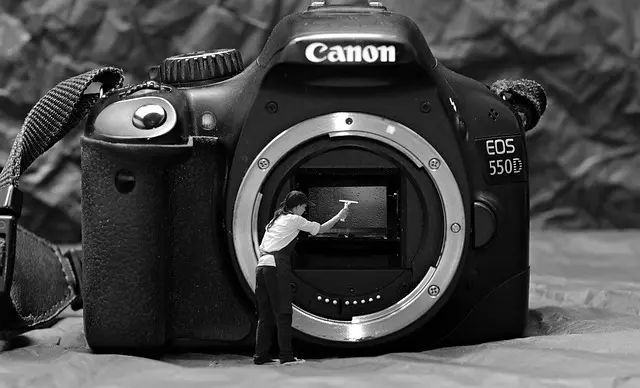
Investing in quality equipment doesn’t necessarily mean breaking the bank. Start with basic gear that includes a camera, lenses, and a tripod. Many photographers recommend starting with a DSLR or a mirrorless camera due to their versatility and image quality. Additionally, understanding your specific photography interests can guide your gear choice. For instance, if you're leaning towards landscape photography, a wide-angle lens may be more beneficial. Conversely, portrait photography usually requires a lens with a larger aperture. This initial investment in tools will help you elevate your work significantly.


CORE365 - CE890 - Men's Journey Summit Hybrid Full - Zip - Black/ Black - L
clothingshoponline.com

CORE365 - 78190 - Women's Journey Fleece Jacket - Classic Navy - S
clothingshoponline.com
3. Practice Regularly
The importance of practice in photography cannot be stressed enough. Like any other profession, the more you shoot, the better you become. Make a habit of setting aside time for photography each week, whether it's snapping images of your surroundings or experimenting with various styles and techniques. Many photographers find it helpful to keep a journal of their shoots, noting what worked and what didn't, aiding in their growth. As you become more comfortable with your camera, explore different settings and environments to expand your skills.
4. Learn Post-Processing Techniques
Post-processing plays a crucial role in photography and can greatly enhance your final images. Familiarizing yourself with software like Adobe Lightroom or Photoshop will allow you to edit your photos effectively. These tools can help you correct exposure issues, enhance colors, and make your images pop. Understanding post-processing is just as important as mastering the camera settings and can be a game-changer in presenting your best work. Many online tutorials and courses focus on editing, so consider subscribing to a few to boost your skills.
5. Find Your Niche
Photography is a broad field, encompassing various styles and approaches. Discovering your niche allows you to focus on what genuinely excites you—be it portrait, wildlife, sports, or street photography. Once you've identified your area of interest, you can tailor your portfolio to attract like-minded clients or collaborators. Engaging with communities, whether through social media or local photography clubs, can help clarify your niche as you get feedback and inspiration from others.
6. Build a Portfolio
A cohesive portfolio is necessary for showcasing your best work to potential clients and employers. Start compiling your best shots that represent your style and niche. When curating your portfolio, consider not only the quality of the images but also the diversity of your work—demonstrating different techniques, settings, and subjects you've captured. An effective portfolio also showcases your evolution as a photographer; including images taken over different periods can be insightful for viewers, providing a glimpse into your growth.


7. Develop Your Online Presence
In this digital age, having a strong online presence is vital for success. Create a website to showcase your portfolio and share your story as a photographer. Utilize social media platforms like Instagram and Facebook to promote your work and connect with your audience. Regularly posting engaging content can help you build a following and gain recognition. Additionally, consider writing a photography blog or creating video content to share your expertise and show your personality.
8. Network with Other Photographers
Networking is critical in the photography industry. Attend local photography events, workshops, or online webinars to meet other photographers and professionals in the field. Collaborating with others can lead to photoshoot opportunities, feedback, and referrals. Building relationships with more experienced photographers can also offer mentorship opportunities, allowing you to learn from their skills and experiences. Establishing connections may open up new creative avenues and potentially help in securing future work.
9. Embrace Constructive Criticism
Receiving feedback on your work can help you grow. Join photography groups or forums where members share their work and critiques. Be open to constructive criticism and use it to improve your skills. Actively seeking feedback helps you gain different perspectives and identify areas that need improvement. Remember, every piece of advice doesn’t need to be taken; instead, use what resonates with you to refine your skills further.
10. Stay Inspired and Keep Learning
Photography is an ever-evolving art form. Stay inspired by exploring the work of other photographers, attending exhibitions, or reading photography magazines. Continuous learning is key to your growth; invest time in workshops or courses to keep your skills sharp and stay updated on industry trends. Follow influential photographers on social media and surround yourself with creativity to fuel your passion for photography.
Checklist before You Start Your Photography Journey
- [ ] Understand the basics of photography
- [ ] Invest in necessary equipment
- [ ] Practice photography regularly
- [ ] Learn post-processing techniques
- [ ] Identify your niche
- [ ] Build your portfolio
- [ ] Develop your online presence
- [ ] Network with other photographers
- [ ] Seek constructive criticism
- [ ] Stay inspired and keep learning
Glossary
| Terme | Définition |
|---|---|
| Aperture | The opening in a lens that controls the amount of light entering the camera. |
| Exposure | The amount of light that reaches the camera's sensor, influencing image brightness. |
| Post-Processing | Editing photos after the capture process to enhance quality and aesthetics. |
📺 Ressource Vidéo
> 📺 For further insights: Check out this comprehensive guide on the art of photography. Search on YouTube for: "how to become a photographer 2026".
🧠 Quiz rapide :
> What is the most crucial step when starting your photography journey?
> - A) Buy the latest camera equipment
> - B) Understand the basics of photography
> - C) Take photos randomly
> Réponse : B — Understanding the basics is essential to building a solid foundation in photography.
📺 Pour aller plus loin : how to become a photographer 2026 sur YouTube
Recommended products
Selected by our experts
Drew Journey II Men's Black Oxford 9.5 E4 - Gender: male
shoemall.com
These casual oxford shoes are perfect for photographers who often find themselves on the move, ensuring comfort during long shoots.
CORE365 - CE890 - Men's Journey Summit Hybrid Full - Zip - Black/ Black - L
clothingshoponline.com
This fleece jacket is ideal for outdoor photographers looking to keep warm and comfortable while shooting in varying weather conditions.
CORE365 - 78190 - Women's Journey Fleece Jacket - Classic Navy - S
clothingshoponline.com
This women's fleece jacket offers comfort and style, suitable for those outdoor shooting sessions or casual meet-ups with clients.