Table of Contents (14 sections)
Starting a photography career can be both exciting and daunting. Whether you are inspired by the latest trends in photography or driven by your passion for capturing moments, there’s much to consider before you take the plunge. This guide outlines ten essential steps to help you successfully launch your photography career, ensuring you approach this artistic journey with confidence and clarity.
1. Define Your Niche
One of the most critical steps in launching your photography career is defining your niche. Photography encompasses a broad spectrum—ranging from portraits and weddings to commercial and landscape photography. According to the U.S. Bureau of Labor Statistics, the specialization you choose can influence your income potential and job opportunities. Take time to explore various styles, experiment, and analyze which area resonates with you the most. Identify your strengths and interests; this will help in establishing a unique brand that attracts your ideal clients. Also, consider market demand and competition in your area; an underserved niche may provide lucrative opportunities.
2. Build a Portfolio
Once you've defined your niche, the next step is to create a strong portfolio that showcases your best work. A well-curated portfolio acts as your visual resume—demonstrating your skills and style to potential clients and employers. Aim for a selection of 20-30 images that reflect your niche and convey your artistic vision. Use high-quality prints or an engaging website to display your work. Additionally, consider creating themed projects or collaborating with other creatives to expand your portfolio. As you develop your body of work, keep updating it to reflect your evolving style and skills.

3. Invest in the Right Equipment
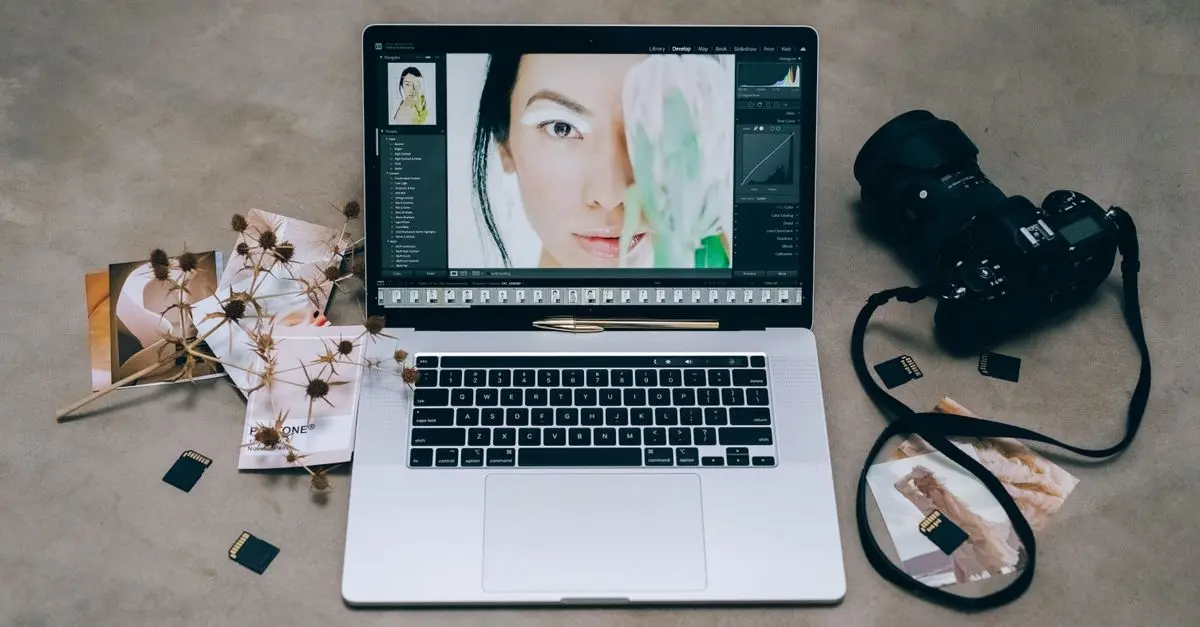
Investing in the right photography gear is crucial for quality results. While starting out, you don’t need the most expensive equipment. Research cameras, lenses, and accessories suited to your niche and budget. Statista reports that the average photographer spends between $500 to $2,000 on initial equipment. Besides cameras, consider essentials like lighting, tripods, and backdrops, which will enhance your outputs. Additionally, familiarize yourself with post-processing software, such as Adobe Lightroom or Photoshop, to enhance your final images. Remember, the right tools can elevate your work, but it’s critical to master your equipment to make the most of it.
4. Develop Your Skills
Becoming a successful photographer requires continuous learning and skill development. Take advantage of workshops, webinars, and online courses to hone your craft. Platforms like Skillshare and Udemy offer classes on various photography techniques, editing software, and business management specific to photographers. Regularly practicing your photography skills is essential as well. Attend meetups, collaborate with other photographers, or volunteer to build your experience. As clichéd as it sounds, practice truly does make perfect in this industry.
5. Create a Professional Online Presence
In the digital age, a strong online presence is paramount for your photography career. Start by building a professional website that highlights your portfolio, offers information about your services, and contains a blog to showcase your expertise in the field. Optimize your site for search engines (SEO) to attract organic traffic. Utilize social media platforms, particularly visually-centric ones like Instagram and Pinterest, to showcase your work and engage with potential clients. Regularly post content, interact with followers, and leverage hashtags relevant to your niche to expand your reach.
6. Network with Other Professionals
Networking with fellow photographers and industry professionals can open doors to opportunities that you may not find otherwise. Attend photography exhibitions, workshops, and conventions to meet others in the field. Engage with photography communities online, exchange insights, and seek mentorship from established photographers. Collaborating on projects or participating in joint exhibitions can also elevate your visibility. Remember, many opportunities come through personal connections, so be proactive in building your network.
7. Establish Your Brand
Creating a recognizable brand is essential in the competitive photography landscape. Your brand should communicate your identity and unique style. Start by defining your values, mission, and vision for your photography career. Consistency in your visual language, including your logo, color scheme, and typography, plays a crucial role in brand recognition. Develop a tagline that succinctly conveys what you offer and resonates with your target audience. A strong brand helps potential clients remember you and builds trust over time.
8. Set Your Rates
Determining how much to charge for your services can be daunting, but it's crucial for sustaining your photography career. Research local market rates for photographers in your niche and adjust based on your level of experience, expertise, and service offerings. Consider creating various packages to cater to different budgets, but ensure you’re valuing your time and talent adequately. As you gain more experience and expand your portfolio, don’t hesitate to revise and increase your rates accordingly.
9. Market Your Services
Marketing is vital in attracting clients and growing your photography business. Utilize various channels, including social media, blogs, networking events, and email marketing campaigns, to promote your services. Creating a referral program can also encourage existing clients to spread the word about your work. Don’t underestimate the power of word-of-mouth, as satisfied clients can be your greatest advocates.
10. Stay Committed and Adapt
Launching your photography career will require hard work and perseverance. Learn to handle challenges gracefully, whether they stem from competition, fluctuating demand, or even creative slumps. Continuously adapt to industry trends, invest in professional development, and maintain passion for your craft. According to a 2024 report by Pew Research Center, flexibility and the willingness to adapt are critical traits for success in any creative industry. Commitment to growth, learning, and improvement will pave the way for a sustainable and fulfilling photography career.
Checklist before Launching Your Photography Career
- [ ] Define your photography niche
- [ ] Build a professional portfolio
- [ ] Invest in necessary photography equipment
- [ ] Continuously improve your photography skills
- [ ] Create a solid online presence
- [ ] Network with industry professionals
- [ ] Establish a recognizable brand
- [ ] Determine your pricing strategy
- [ ] Market your services effectively
- [ ] Stay committed and flexible in your approach
Glossary
| Term | Definition |
|---|---|
| Portfolio | A curated collection of a photographer's best work to showcase their skills and style. |
| Branding | The practice of creating a unique identity, message, and visual representation that distinguishes a photographer in the market. |
| Niche | A specialized segment of the photography market where a photographer can focus their efforts to stand out and attract specific clients. |
> 🧠 Quiz rapide : What is the best way to define your photography niche?
> - A) Choose the most popular option
> - B) Experiment and analyze your strengths
> - C) Follow what others are doing
> Réponse : B — It’s essential to identify what resonates with you most and where your strengths lie.
📺 Ressource Vidéo
> For more insights on getting started in photography, search for: "how to start a photography career 2026".
📺 Pour aller plus loin : how to start a photography career 2026 sur YouTube
Recommended products
Selected by our experts
Master Series The Grease Gun Stainless Steel Lube Launcher
babeland.com
This professional photography gear is ideal for ensuring your equipment is well-maintained, enhancing your overall performance.