Table of Contents (14 sections)
Becoming a photographer is more than just purchasing a camera and clicking photos; it's a journey that requires a blend of technical and creative skills. Whether you aspire to be a professional photographer or you simply want to capture life's moments more effectively, understanding the essential skills to become a photographer is crucial. This article outlines ten fundamental skills every aspiring photographer should work on to enhance their craft and stand out in a competitive market.
1. Mastering Camera Settings
Understanding your camera's settings is crucial for any photographer. This includes mastering your aperture, shutter speed, and ISO. Each of these components is integral to achieving the perfect exposure and capturing images in various conditions. For instance, a lower f-stop (aperture) will result in a blurred background, emphasizing your subject. Moreover, learning how to manipulate shutter speed allows you to freeze motion or create intentional blur. Additionally, experimenting with different ISO levels can help you adapt to low-light environments without losing image quality. Being adept at these settings opens the door to creative photography, allowing you to convey your vision more effectively.
2. Understanding Composition
Composition is the arrangement of elements within your photo. The rule of thirds is a classic guideline that divides your frame into nine equal parts, aiding in creating balanced and engaging images. Beyond basic rules, understanding lines, symmetry, and negative space can dramatically improve your photos. For example, leading lines can draw viewers into your image, while symmetry can create a sense of harmony. Practicing different compositional techniques will develop your eye for enhancing aesthetic appeal, ultimately leading to more striking images.
3. Developing Post-Processing Skills
In today's digital age, photo editing is an indispensable skill for photographers. Mastering software like Adobe Lightroom or Photoshop can elevate your images, allowing for corrections in exposure, color balance, and sharpness. Additionally, learning to manipulate elements like contrast and saturation can dramatically alter the mood of your images. It's essential to find a balance in post-processing; while enhancements can improve a photograph, over-editing can detract from its authenticity. Regular practice and studying tutorials can significantly improve your editing abilities.
4. Building a Unique Style
Creating a recognizable photographic style sets you apart from the multitude of photographers today. This involves experimenting with lighting, subjects, and editing techniques until you develop a signature approach. For instance, some photographers thrive on bright, saturated colors, while others prefer a muted, vintage feel. Analyzing the styles of renowned photographers and understanding what resonates with you can help shape your personal style. Document your journey in a portfolio to showcase your unique perspective and attract potential clients who appreciate your aesthetic.
5. Networking and Marketing
In the competitive world of photography, networking is vital. Building relationships with other photographers, models, and potential clients opens doors to collaborations and new opportunities. Utilizing social media platforms like Instagram and Facebook can also amplify your reach, allowing you to share your work widely. Create a professional website to display your portfolio, along with information on your services. Setting up a blog to enhance your online presence can also position you as an expert in your field, driving more traffic to your site.
6. Understanding Lighting
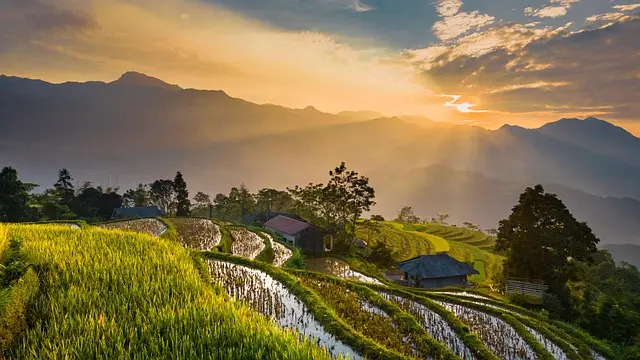
Natural light is a photographer's best friend. Every photographer should learn how to use and manipulate both natural and artificial light to their advantage. Understanding how lighting influences mood, depth, and clarity in a photo is essential. For instance, the golden hour—shortly after sunrise or before sunset—provides soft, flattering light that can enhance portraits dramatically. Conversely, harsh mid-afternoon sunlight can create unwanted shadows. Experimenting with illumination in different situations and learning to work with shadows can help you enhance your overall photography.
7. Time Management
Photography often involves juggling various tasks, from shooting to editing and managing social media. Developing strong time management skills will help you stay organized and meet deadlines, especially when collaborating with clients. Utilizing project management tools can streamline your workflow. Balancing your creative pursuits with business considerations ensures you remain productive and effective in your photography career.
8. Technical Knowledge of Gear
While creativity is vital, understanding your gear's technical specifications is equally important. Familiarize yourself with various lenses, sensors, tripods, and editing tools. For instance, knowing when to use a wide-angle lens versus a telephoto lens can significantly impact your composition. Invest time in researching and testing different photography equipment to see what works best for your needs. Understanding gear will help you make informed decisions that support your artistic vision.
9. Learning from Feedback
Receiving constructive criticism from peers can accelerate your growth as a photographer. Joining photography groups or online forums allows you to share your work and gain valuable insights. Learning to differentiate between constructive feedback and personal critiques is vital for your development. Regularly seeking feedback will enable you to refine your skills and develop a thicker skin, both essential for success in any creative field.
10. Keeping Up with Trends and Technology
The photography landscape is continually evolving, with new technology and trends moving fast. Staying updated with the latest advancements in camera technology, editing software, and photography styles is crucial for ongoing improvement. Following reputable photography blogs, attending workshops, and participating in webinars can provide inspiration and insight into emerging techniques. This commitment to lifelong learning will ensure that you remain competitive and continue to grow in your field.
📺 Resource Video
> 📺 For further learning: Tips for Beginner Photographers, a comprehensive exploration of essential skills. Search on YouTube: essential skills for photographers 2026.
Glossary
| Term | Definition |
|---|---|
| Aperture | The opening in a lens that controls the amount of light entering the camera. |
| ISO | The sensitivity of your camera sensor to light. Lower ISO is less sensitive, suitable for bright conditions; higher ISO increases sensitivity for low light. |
| Composition | The arrangement of visual elements in a photograph, influencing its appeal and storytelling.
Checklist for Aspiring Photographers
- [ ] Learn camera settings (aperture, ISO, shutter speed)
- [ ] Practice various composition techniques
- [ ] Master photo editing software
- [ ] Develop a unique photographic style
- [ ] Build a personal brand and network
- [ ] Understand lighting techniques
- [ ] Manage time effectively
- [ ] Familiarize yourself with photography gear
- [ ] Seek constructive feedback regularly
- [ ] Stay updated with photography trends
🧠 Quick Quiz: What is the rule of thirds?
- A) A method for measuring exposure
- B) A composition guideline
- C) A camera type
Answer: B — A photographic guideline to create visually appealing compositions by dividing the frame into thirds.
In conclusion, developing these essential skills to become a photographer will set you on the path to success. The journey to mastering photography is ongoing; continue learning and practicing to evolve your craft. Embrace the challenges, and let your creativity shine through each photograph you take.
📺 Pour aller plus loin : essential skills for photographers 2026 sur YouTube