Table of Contents (15 sections)
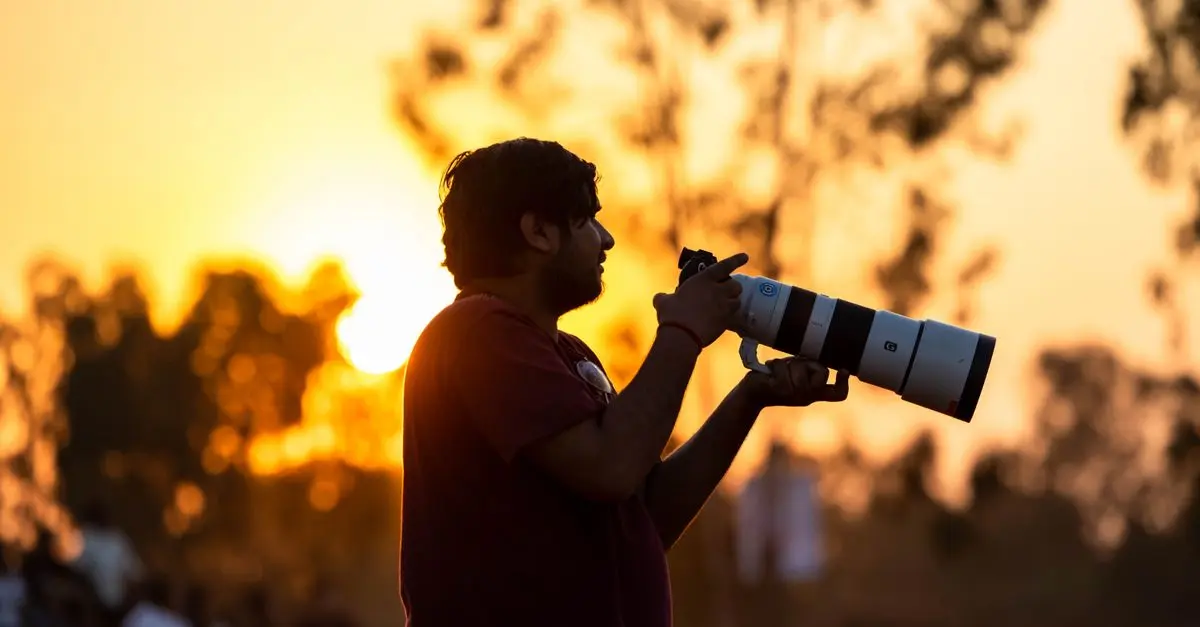
In the digital age, photography has transformed from a hobby into a viable profession for many. Aspiring photographers must develop specific skills to thrive in a competitive market. This article outlines the essential skills every photographer should master, ensuring they can elevate their craft and build a successful career.
1. Mastering the Camera
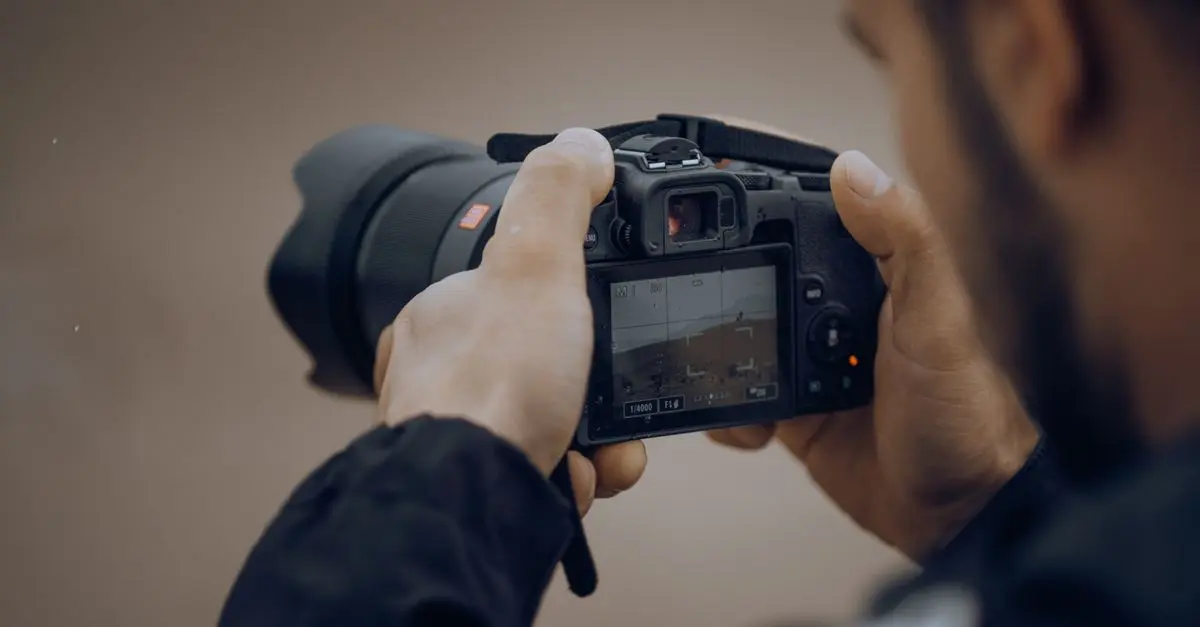
Understanding your camera is fundamental for any photographer. Whether using a DSLR, mirrorless, or smartphone, knowing how to adjust settings like aperture, shutter speed, and ISO is crucial. Mastering these controls allows photographers to manipulate light and motion creatively, leading to stunning images. For example, a photographer capturing a fast-paced sporting event needs to understand how to adjust shutter speed to freeze the moment while using a lower ISO in bright environments to prevent overexposure.
2. Composition Techniques
Composition is the art of arranging visual elements in a photograph. Mastering techniques such as the Rule of Thirds, leading lines, and framing can dramatically enhance the storytelling in an image. For instance, the Rule of Thirds encourages photographers to position focal points off-center, creating a more interesting and engaging photo. Additionally, understanding negative space can help emphasize subjects without overcrowding the frame.
Uplift Essentials Rotatable Adjustable Tablet Stand For IPad And Tablets black 1
inspireuplift.com
Uplift Essentials Tripod Floor Tablet Stand Adjustable Heavy Duty Tablet Support Tripod Floor Tablet Stand Adjustable Heavy Duty Tablet Support
inspireuplift.com
Uplift Essentials Rotatable Adjustable Tablet Stand For IPad And Tablets silver 1
inspireuplift.com
3. Lighting Fundamentals
Light is one of the most critical elements of photography, and understanding how to work with it is essential. Photographers must learn to utilize natural light effectively, including golden hour light, and how to manipulate artificial lighting using flash or reflectors. For portrait photographers, knowing how to adjust lighting can dramatically alter the mood of a photograph, as harsh light can create unflattering shadows, while soft light can be more flattering.
4. Post-Processing Skills
In today's digital environment, post-processing is a skill photographers must learn to refine their images further. Familiarity with software like Adobe Lightroom and Photoshop allows photographers to enhance their work through color correction, cropping, and retouching. For example, a landscape photographer may need to adjust contrast or saturation to convey the image's intended mood or tone effectively. Furthermore, learning to create presets can save time and provide consistency across portfolios.
5. Understanding Color Theory
Color theory is crucial for photographers. It involves understanding how colors interact and affect the viewer's emotions. A photographer skilled in color theory can choose color schemes effectively, which can influence the overall impact of their work. For instance, using complementary colors can create a dynamic tension in an image, while analogous colors can evoke harmony. By understanding the emotional weight of colors, photographers can create photographs that resonate more deeply with viewers.
6. Developing a Unique Style
In a saturated market, developing a unique style is vital for standing out. This encompasses the choice of subject matter, composition, use of color, and overall aesthetic that reflects the photographer's vision. Photographers can explore different genres—such as portrait, landscape, or abstract—to find their niche. Over time, experimenting with various styles will help in creating a personal brand that attracts clients and audiences alike.

Realistic Female Butt Masturbator With Tight Channel Design, Y Texture, Delicate Touch, Essential Private Experience For Men
Voghion Global
Uplift Essentials Rotatable Adjustable Tablet Stand For IPad And Tablets black 2
inspireuplift.com
Uplift Essentials Rotatable Adjustable Tablet Stand For IPad And Tablets silver 2
inspireuplift.com
7. Networking and Marketing Skills
Networking is essential in the photography industry. Building relationships with other photographers, models, and potential clients can lead to collaborations and job opportunities. Additionally, understanding how to market oneself through social media, personal websites, and portfolios is crucial for attracting clients. For example, platforms like Instagram offer photographers the chance to showcase their work to broader audiences, while behind-the-scenes content can engage followers on personal levels.
8. Business Acumen
For photographers pursuing photography as a career, business skills are essential. This includes understanding pricing strategies, invoicing, contracts, and managing expenses. Photographers must also know how to navigate taxes associated with running a business. A well-structured business model can significantly affect profitability. According to a survey by PPA (Professional Photographers of America), over 55% of photographers cite inefficient business practices as a primary challenge.
9. Continuous Learning and Adaptation
The photography industry is constantly evolving with new technologies and trends. As an aspiring photographer, committing to continuous learning is essential. This could involve taking classes, attending workshops, or keeping up with industry publications. For instance, the rise of drone photography has opened new avenues for landscape photographers, and being knowledgeable about such technologies can set one apart from the competition.
10. Emotional Intelligence and Communication
Lastly, emotional intelligence is a skill that photographers should develop. Understanding clients' emotions and explaining a vision clearly can lead to better collaborations and end results. Building rapport with clients ensures they feel comfortable, which can elicit more natural expressions and poses in portraits. Studies show that emotional intelligence can improve client satisfaction by more than 40%.
Conclusion
Mastering these essential skills will significantly enhance an aspiring photographer's capabilities. By investing time in learning, practicing, and adapting to new skills, photographers can build a robust foundation for a successful career. Let's pursue your photography passion with these lessons!
- [ ] Master the camera settings
- [ ] Learn composition techniques
- [ ] Understand lighting fundamentals
- [ ] Develop post-processing skills
- [ ] Study color theory
- [ ] Cultivate a unique style
- [ ] Network and market effectively
- [ ] Acquire business acumen
- [ ] Commit to continuous learning
- [ ] Grow emotional intelligence
📺 Resource Video
For a deeper dive into understanding composition techniques and lighting in photography, search on YouTube: "advanced photography composition techniques".
Glossary
| Terme | Définition |
|---|---|
| ISO | La sensibilité d'un capteur d'image à la lumière, essentielle pour la photographie dans différents environnements lumineux. |
| Aperture | L'ouverture d'un objectif qui régule la quantité de lumière pénétrant dans l'appareil photo, influençant la profondeur de champ. |
| Shutter Speed | La durée pendant laquelle le capteur d'une caméra est exposé à la lumière, contrôlant le flou de mouvement et l'exposition. |
---
📺 Pour aller plus loin : advanced photography composition techniques sur YouTube
Recommended products
Selected by our experts
beautyblender Beautyblender Bounce Haus Essential Trio Gift Set, - None - Size: 0.31 Oz
kohls.com
Uplift Essentials Silicone T Shaped Eye Patch For Facial Skincare Silicone T Shaped Eye Patch For Facial Skincare
inspireuplift.com